
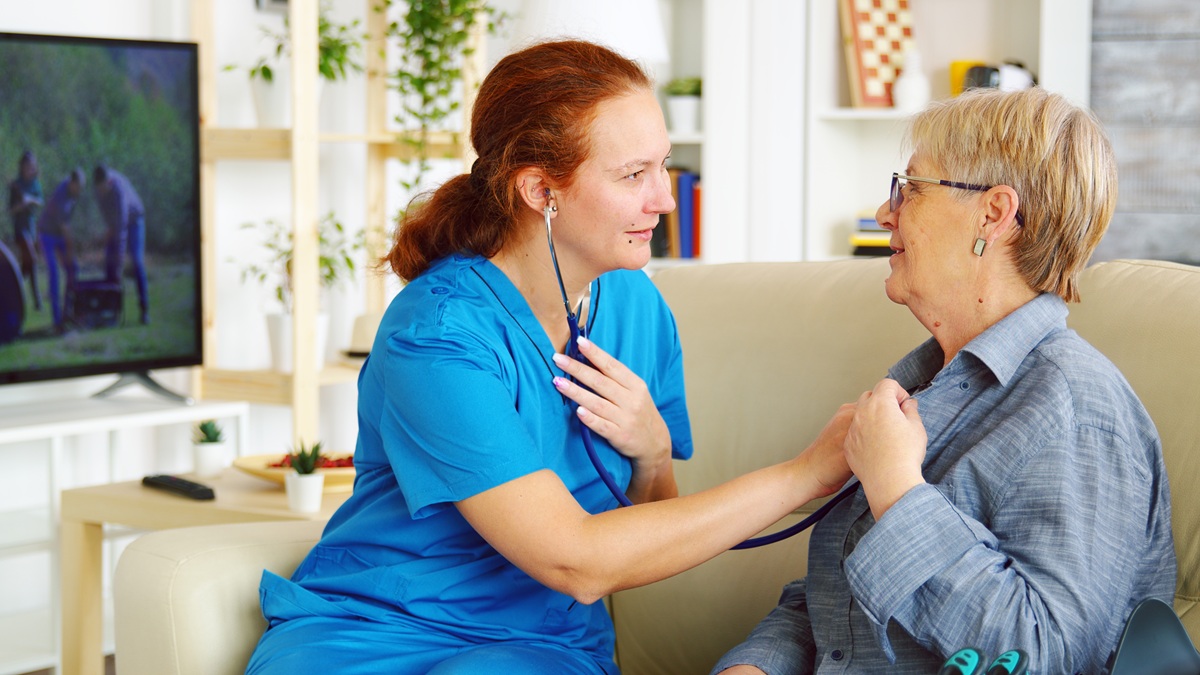
At Bayshire Riverwalk, we recognize that the key to understanding whether a senior needs skilled nursing support is assessing their care needs. Skilled nursing is a specialized care option that offers both short-term and long-term medical care. Specially trained professionals deliver comprehensive, around-the-clock care as needed to manage chronic conditions or aid recovery from an injury or surgery.
Skilled nursing is often considered necessary when a senior requires continuous medical supervision, physical or occupational therapy, or assistance with activities of daily living, all while managing multiple complex health needs. It can be used as a short-term rehabilitation option after a hospital stay or may be needed for long-term management of progressive, chronic illnesses.
Knowing whether a senior loved one needs this intensive, ongoing care is key to finding a suitable care option. Here’s information about when it may be time to consider skilled nursing for an older adult.
Complex Medical Needs
As seniors age, their likelihood of developing various health conditions increases. Unfortunately, many of them develop several of these chronic conditions at the same time, which require regular medical supervision. Serious medical conditions such as dementia, Alzheimer’s, Parkinson’s, or multiple sclerosis are a few examples of complex medical conditions that require regular medical assistance and ongoing care provided in skilled nursing.
Likewise, a senior might need intravenous (IV) therapy, tube feeding, daily injections, or complicated wound care that also requires skilled nursing. While a family may try to manage all these needs at home, it usually comes at a high cost. Moreover, they often cannot match the level of care and specialized support a skilled nursing home can offer. Skilled nursing facilities have licensed healthcare professionals who deliver tailored care to seniors based on their complex medical needs.
Assistance With Multiple Activities Of Daily Living (ADLs)
Another important sign to watch for in a senior who may need skilled nursing support is assistance with ADLs. Activities such as bathing, dressing, eating, transferring, and toileting may signal the need for professional support. This often relates to a senior’s increased need for support with physical dependence, cognitive function, and general safety.
Families should understand that difficulty with transfers and walking increases the likelihood of falls. For this reason, skilled nursing provides 24/7 supervision and professional assistance to prevent injuries. Needing help with feeding, continence, or bathing is generally tied to chronic health conditions and is often supported by a registered nurse available in skilled nursing facilities.
Progressively Declining Mental Health Or Cognitive Function
Multiple health conditions cause significant progressive cognitive decline. Several behavioral and cognitive red flags may indicate skilled nursing is needed. Your loved one may become disoriented in familiar environments, posing an urgent safety risk and necessitating secure, monitored units.
Advanced stages of dementia or mental health issues can severely impact a senior’s ability to follow routines. Their inability to follow routines and live structured lives often leads to agitation and aggression that then require support from trained clinical staff. Likewise, cognitive decline and mental health issues can result in safety hazards at home, such as leaving gas stoves on or wandering outside unsafely. All these circumstances require a specialized environment and caregiving staff, such as those found in skilled nursing.
Post-Hospital Recovery Or Frequent Hospitalizations
There are multiple post-hospital recovery situations in which a senior may require skilled nursing before safely returning home. A senior may have undergone a surgical procedure to treat a complex wound that requires continuous clinical observation. They may be managing a health condition that requires IV therapy.
A senior who needs rehabilitation after joint replacements, strokes, heart attacks, or traumatic falls may also be recommended for skilled nursing care. Likewise, a senior with severely deteriorating health, as shown by recurring falls, infections, breathing difficulties, or serious chronic conditions, may also be transitioned to skilled nursing. In all these scenarios, skilled nursing offers seniors a safe environment for recovery, helping them return home.
Medication Management
Some seniors take multiple medications a day. Managing multiple medications on your own can be challenging. Even missing a single dose of medication or taking double doses may cause a significant risk. Forgetting to take medications is often deemed an early sign of memory loss or dementia.
Moving to skilled nursing can help a senior follow their medication regimen. The professional staff provides the necessary supervision to help seniors maintain their strict daily routines. The licensed nurses handle the complex routines, ensuring no doses are omitted, doubled, or improperly timed. They also help prevent potential side effects that the combination of drugs may cause in some seniors. They constantly monitor changes in mood, appetite, and energy to ensure any complications are managed properly before they become serious.
Access Premier Skilled Nursing Services At Bayshire Riverwalk
At Bayshire Riverwalk, we consider skilled nursing one of the most effective senior care options for older adults. Whether it’s a senior’s short-term rehabilitation or recovery needs or their need for long-term continuous care, skilled nursing can support both. From assisting with daily living needs to managing chronic diseases requiring ongoing medical care, skilled nursing can be effective in both areas.
Families exploring a reliable, skilled nursing care option can contact us at Bayshire Riverwalk. With our licensed caregivers, a comfortable environment, and a whole-person approach to care, we support seniors’ recovery and overall wellness.
In addition to our skilled nursing services, we have a continuum of care (COC) program to promote continuity of care. This means that even if you need assistance with activities of daily living (ADLs) and may need higher levels of care and support in the future, we may be the right option for you.
